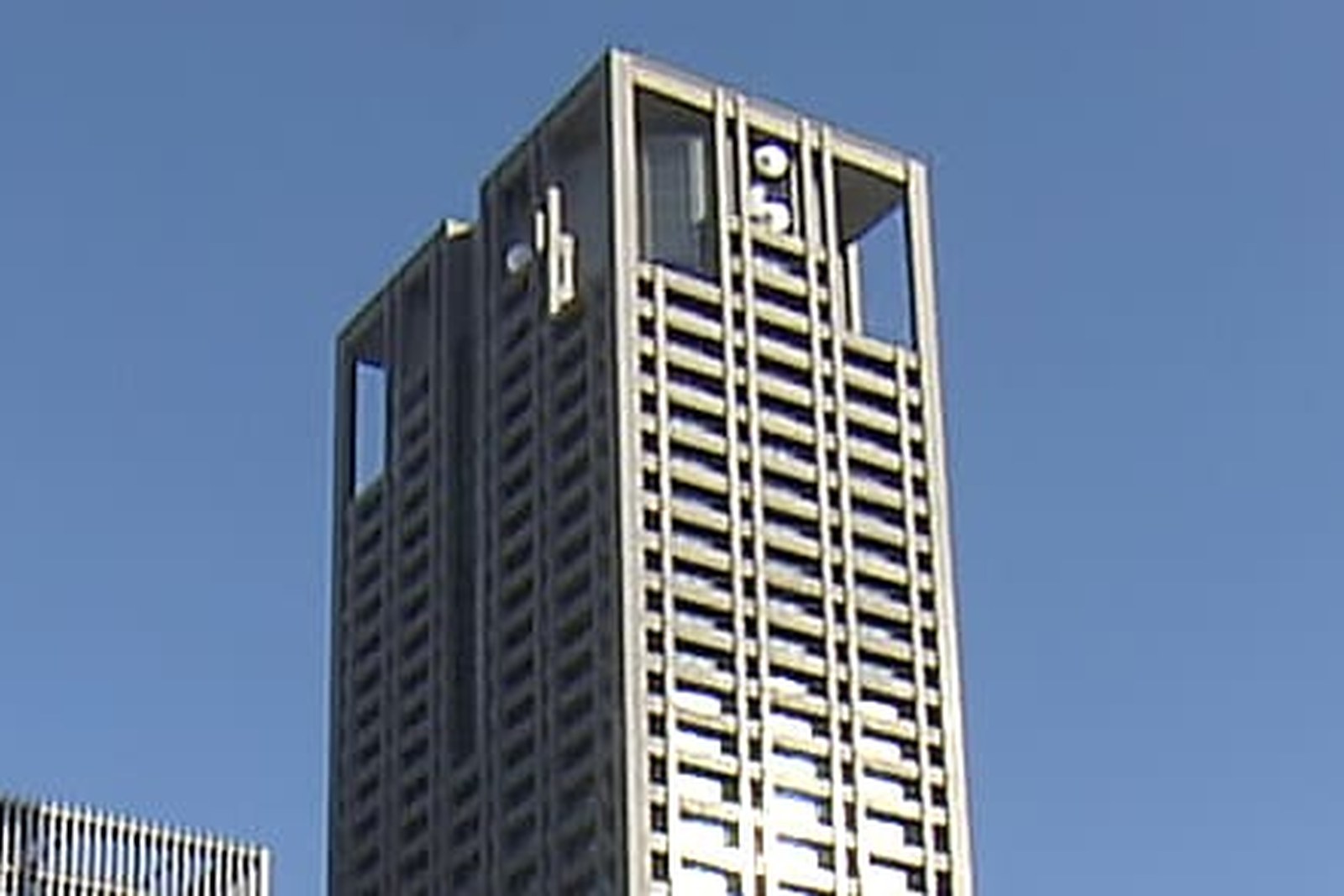
Business Description
The Energy segment supplies about four-fifths of revenue: generation from nuclear, thermal, hydro and renewable plants, retail electricity sales across Japan, and gas and LNG trading. Transmission and distribution sit in a legally separated subsidiary, Kansai Transmission and Distribution, whose regulated network revenue is steadier than the merchant generation business. Two smaller segments round out the group — information and communications, built around the fibre and telecom carrier Optage, and a living-and-business-solutions arm covering real estate, leasing and overseas energy investment.
The company's home market is the Kansai economic bloc — Osaka, Kyoto, Hyogo, Nara, Shiga and Wakayama — and its defining feature is nuclear power: the Mihama, Takahama and Ohi stations on the Wakasa coast of Fukui Prefecture give it a larger restarted reactor fleet than any other Japanese utility, and therefore a fuel-cost advantage when LNG and coal prices rise. Earnings turn on how many reactors are running, on regulated tariff decisions, on fuel-cost adjustment lags and on the yen, so a single extended outage or inspection order can move a year's profit. Kansai Electric was created in May 1951, when the occupation-era reorganisation split Japan's power industry into nine regional utilities, and its fiscal year ends in March.
Corporate Data
| Ticker | 9503 |
|---|---|
| Exchange | Tokyo Stock Exchange |
| Size Category | TOPIX Mid400 |
| Market Segment | Prime Market |
| Sector | Electric Power & Gas |
| Head Office | 3-6-16 Nakanoshima, Kita-ku, Osaka 530-8270, Japan |
| Founded | May 1, 1951 |
| Fiscal Year End | March 31 |
| Website | Official website |